Loading journal
Articles
How independent projects shape your career
Fabio Mario Rizzotti
3 June 2025
The reason we decided to explore this topic following our last article “What skills will the designer of the future need?” is that it’s a deeper dive into one of the three key points we discussed. It’s also one of the most frequent subjects that come up when we give talks at universities.
In today’s design landscape, self-initiated projects are more than creative outlets—they're powerful tools for professional growth. They don’t just enhance your portfolio; they shape your perspective, sharpen your skills, and help define your creative identity. Whether you're new to the field or a seasoned designer, working outside the constraints of client briefs can accelerate your development and deepen your practice.
Let’s go back to June 2020, when I, F. Mario Rizzotti, and Santiago Villa (no longer part of Pittogramma) first imagined what would become Pittogramma. Back then, we had no idea where the project would take us. It started with a simple idea: “Let’s invite young designers to submit their work and have fun creating a cool editorial project.” Nothing more, nothing less.
But as we shaped Pittogramma, it began shaping us—and it still does today with me and Simone Bertini (partner at Pittogramma). What started as an editorial design exercise quickly grew into a full-scale independent venture. We had to curate every aspect—building an identity, developing a communication strategy, managing social media, coordinating logistics, reaching out to production partners and supporters, handling shipments—all while working full-time jobs.
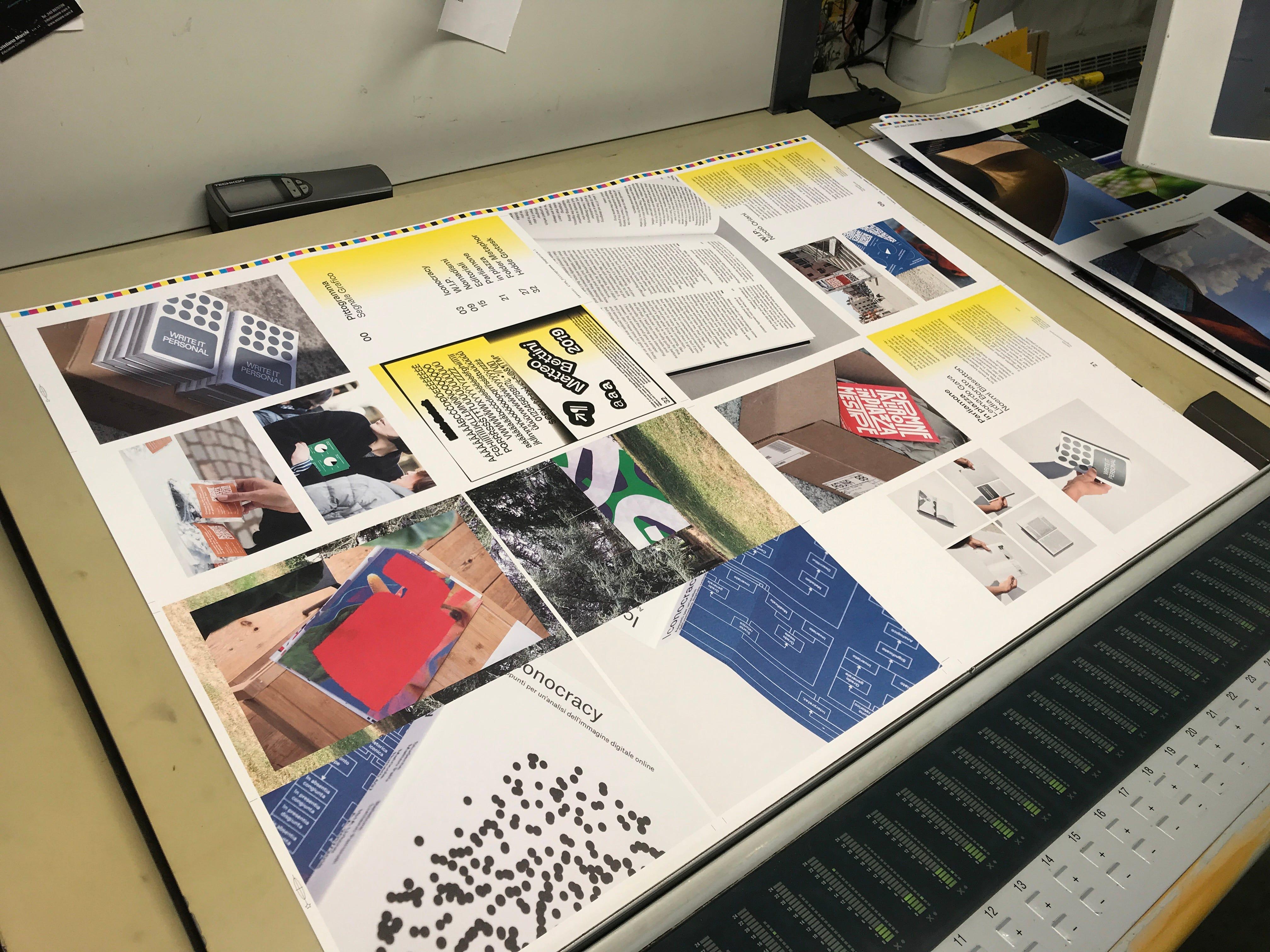
Over time, we began to understand what it really means to run a small but serious company. As designers, we might think we’re naturally equipped to plan, execute, and deliver creative projects. And in many ways, we are. But running an independent venture pushes you far beyond the traditional boundaries of graphic design. It forces you to become a 360-degree designer—not because you know everything, but because you learn how to approach the unknown.
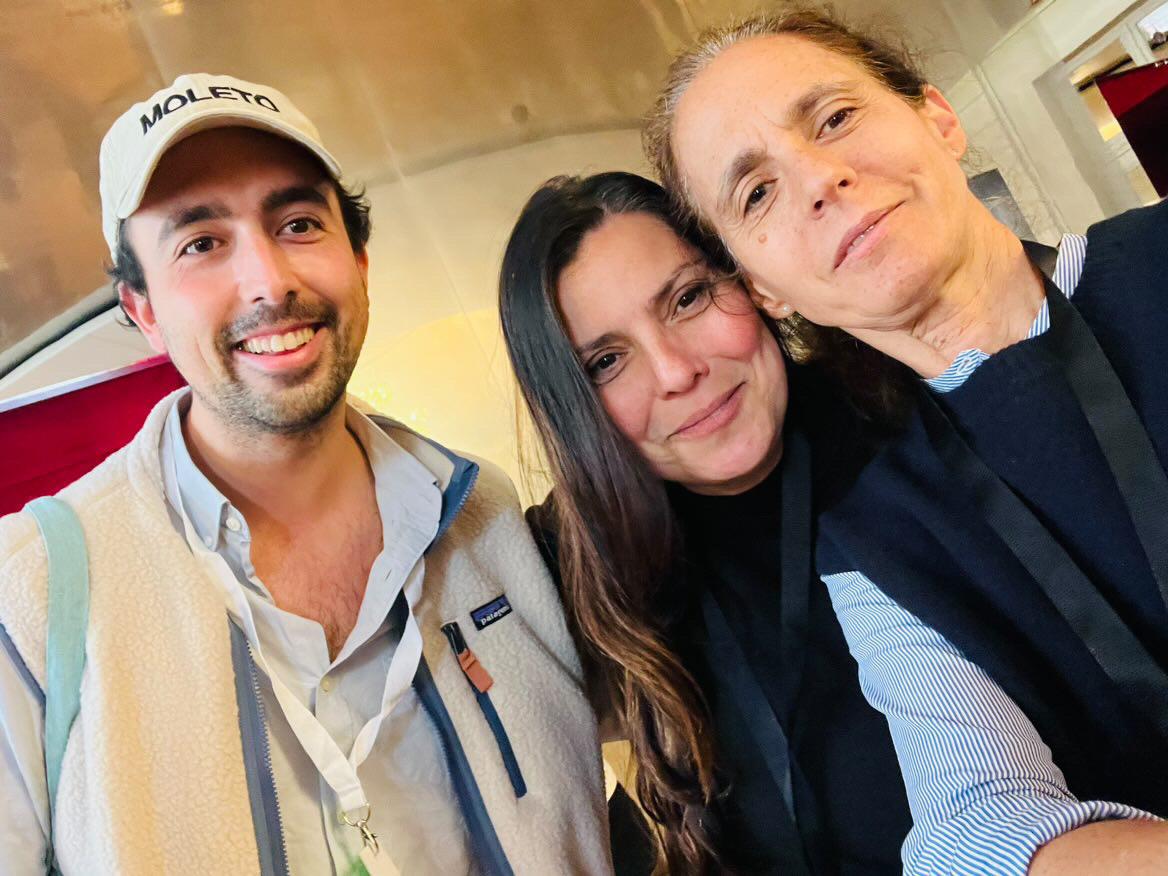
When people ask, “Why do you run Pittogramma?” or “How many of you are managing all this work?” we proudly answer: We do it because it fills us. After attending the AGI Open Conference in Basel as media partners last October, we were on the train back to Milan just talking about how energised we felt. That feeling—of being fulfilled by something we've built ourselves—is the true payoff of an independent project.
We do it because it fills us.
Don’t get us wrong: we love working on Pittogramma, and we take our role seriously. The fact that so many people read, follow, and send us their work means the world to us. But at its core, this project also satisfies something deeply personal. It validates our ideas. It gives us confidence. It proves that what we believe in resonates with others.
One of the biggest benefits? The freedom to make mistakes. And that’s okay. If we mess something up, we fix it, learn, and move forward. No drama. In a traditional work setting, even small errors can feel heavy or frustrating. But with Pittogramma, the ability to fail safely is part of what allows us to grow.
This connects to another major point: personal projects allow your creativity to breathe. Too often, great ideas die in the corner of our sketchbooks because they don’t align with a client’s brief or an art director’s vision. With Pittogramma, we’ve had the freedom to follow our intuitions—and that’s been incredibly rewarding. And when those ideas actually get recognition? We’ll be honest—it feels amazing.
We've also learned how to manage our time better. (We’re still learning, of course.) Working full-time while running a project like this teaches you discipline. You prioritize. You say no to dinners or aperitifs. You work nights. It’s exhausting, but it’s worth it.
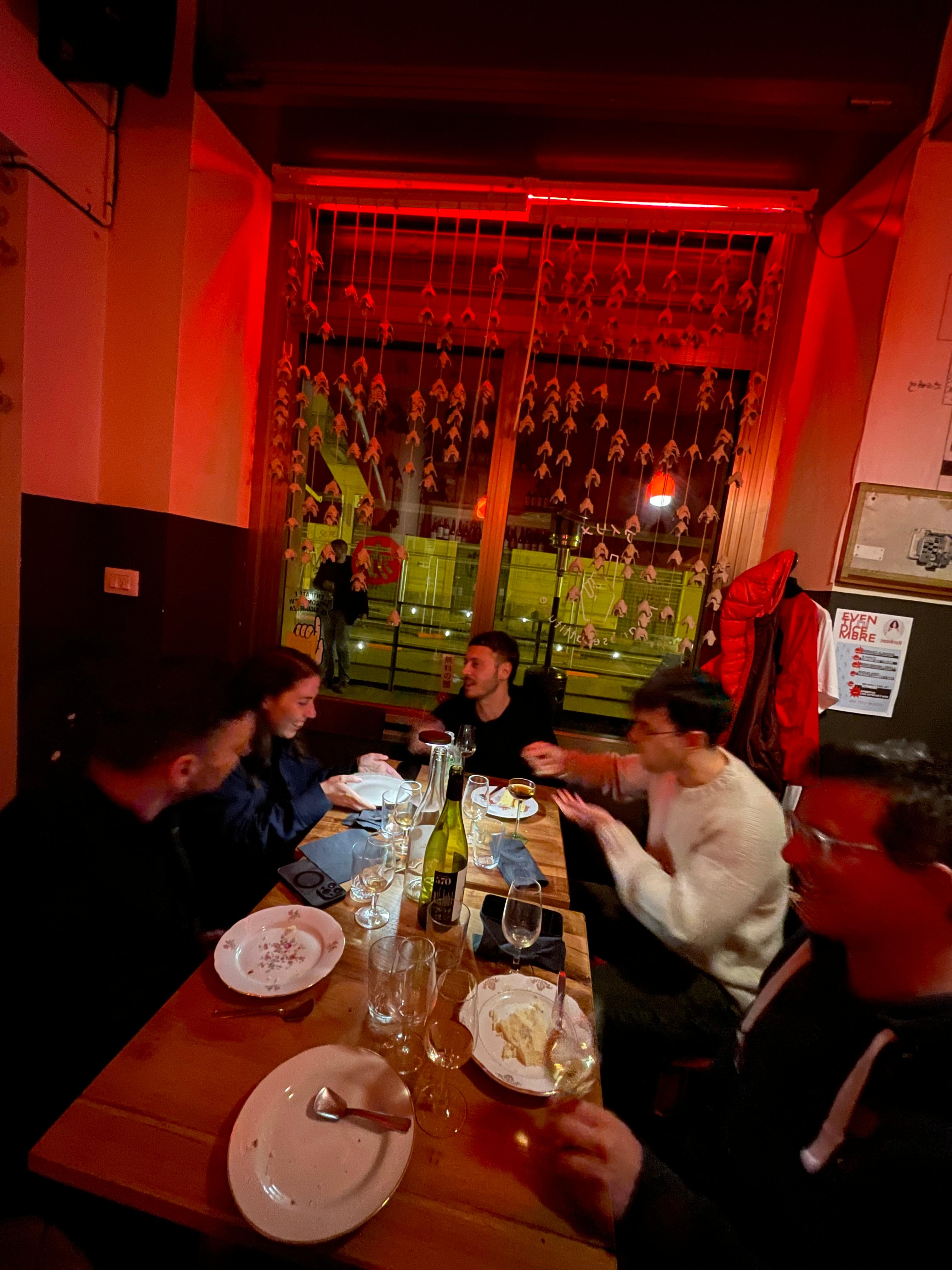
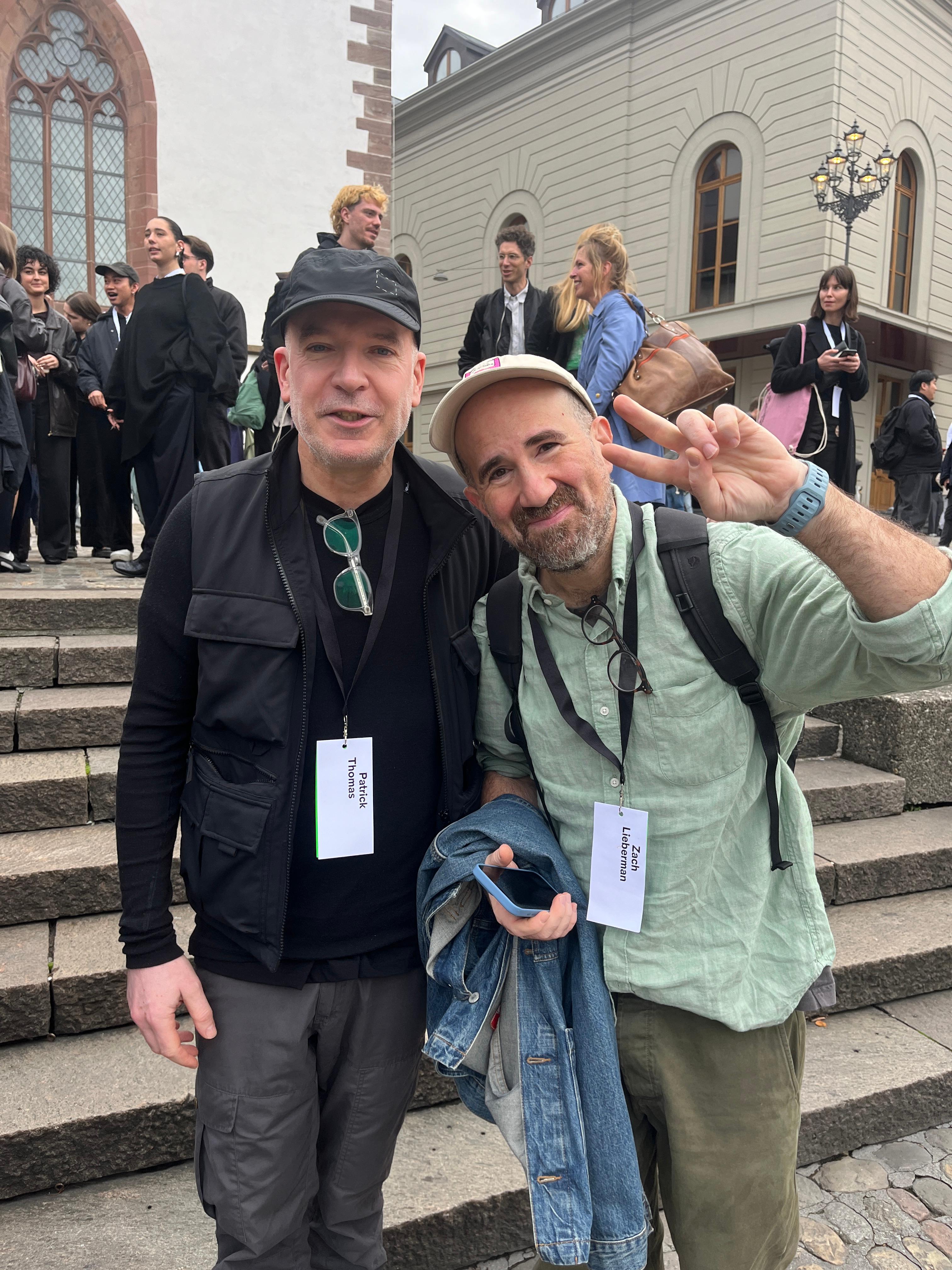
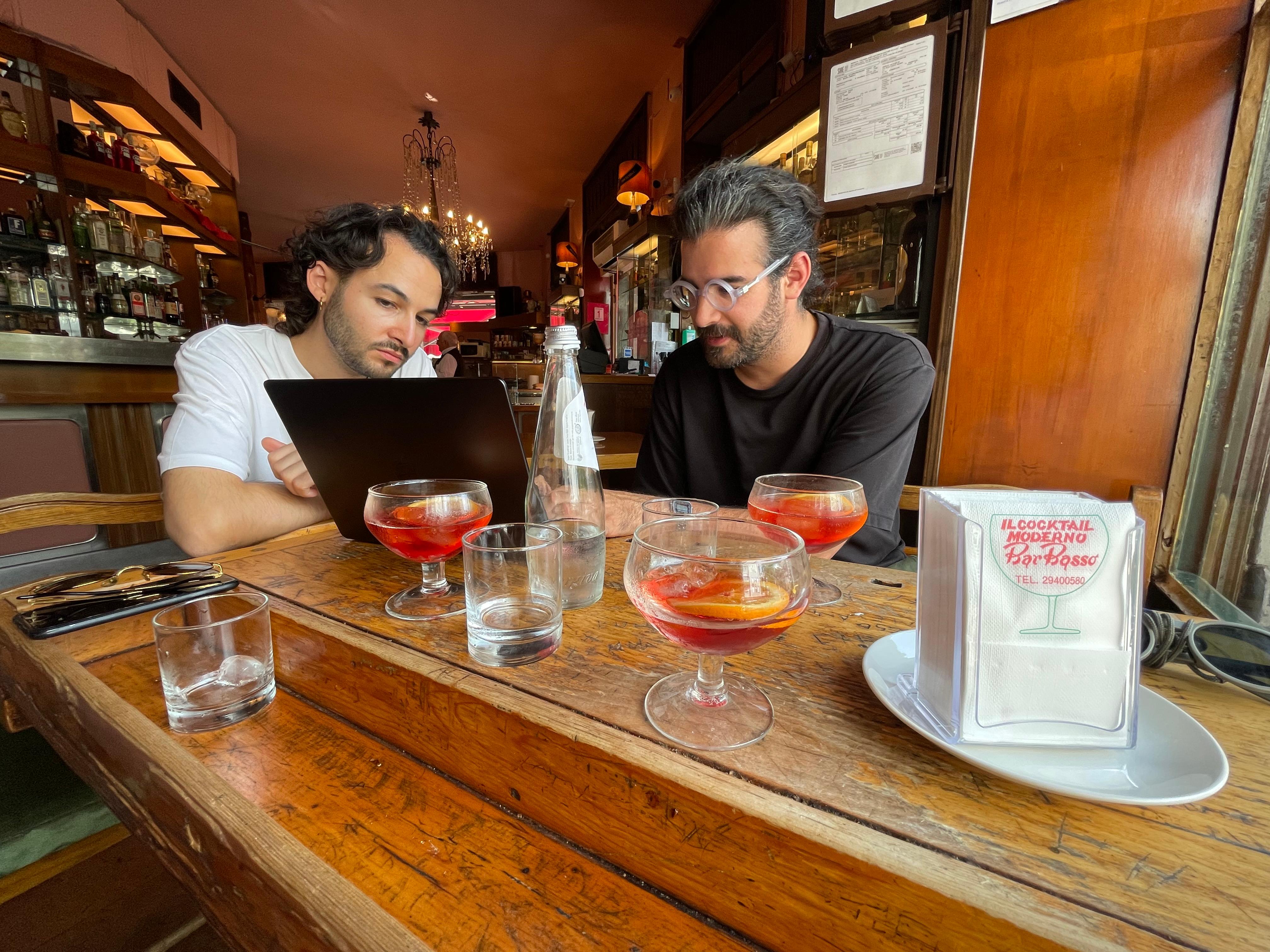
And honestly? It's also a lot of fun. There’s something genuinely joyful about brainstorming wild ideas, laughing or even argue at our own chaos, or celebrating a successful over a drink with great people. We’ve had ridiculous moments—like packing thounsends of P01 - Caratteri Inediti of envelopes on the floor, notice to have just sent the wrong email to the wrong person. These spontaneous, slightly chaotic moments are part of what makes Pittogramma feel alive.
And then there’s PR—public relations—which is an entire topic in itself. In self-initiated projects, meeting people, shaking hands, giving talks, attending events… all of that is essential. These experiences not only help grow Pittogramma, but also create personal opportunities—design jobs, teaching roles, workshops, or just meaningful conversations with fellow creatives.
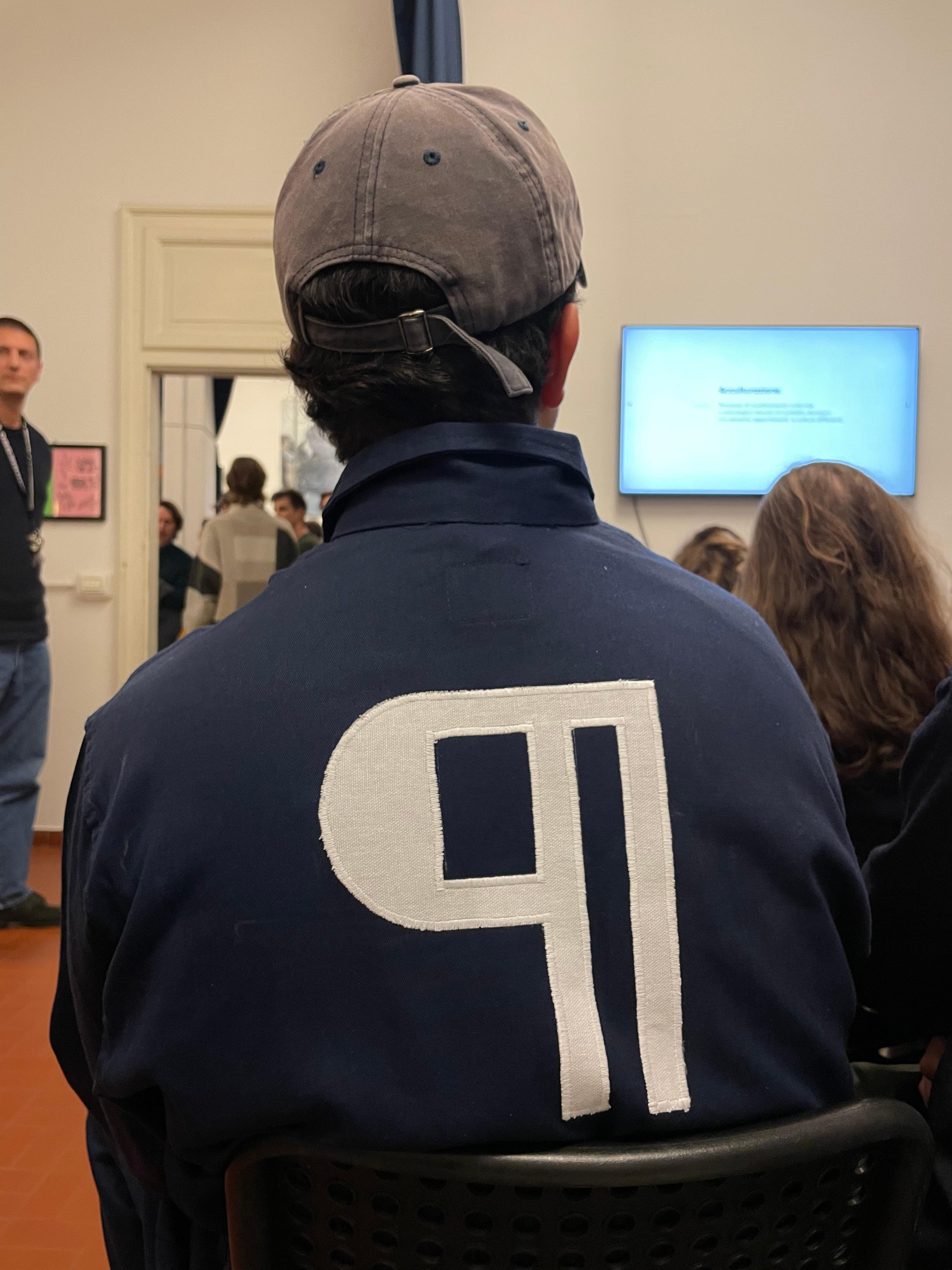
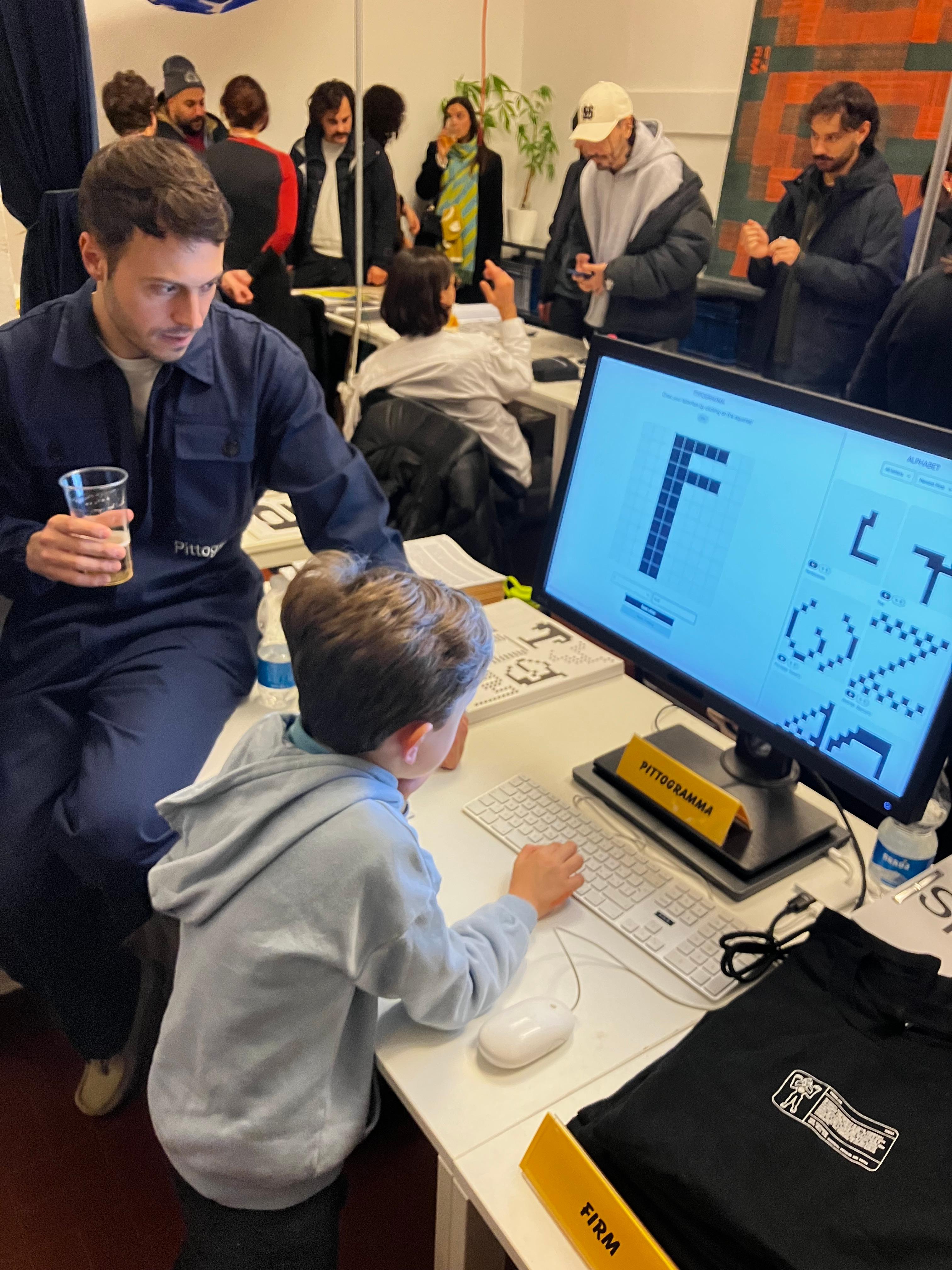
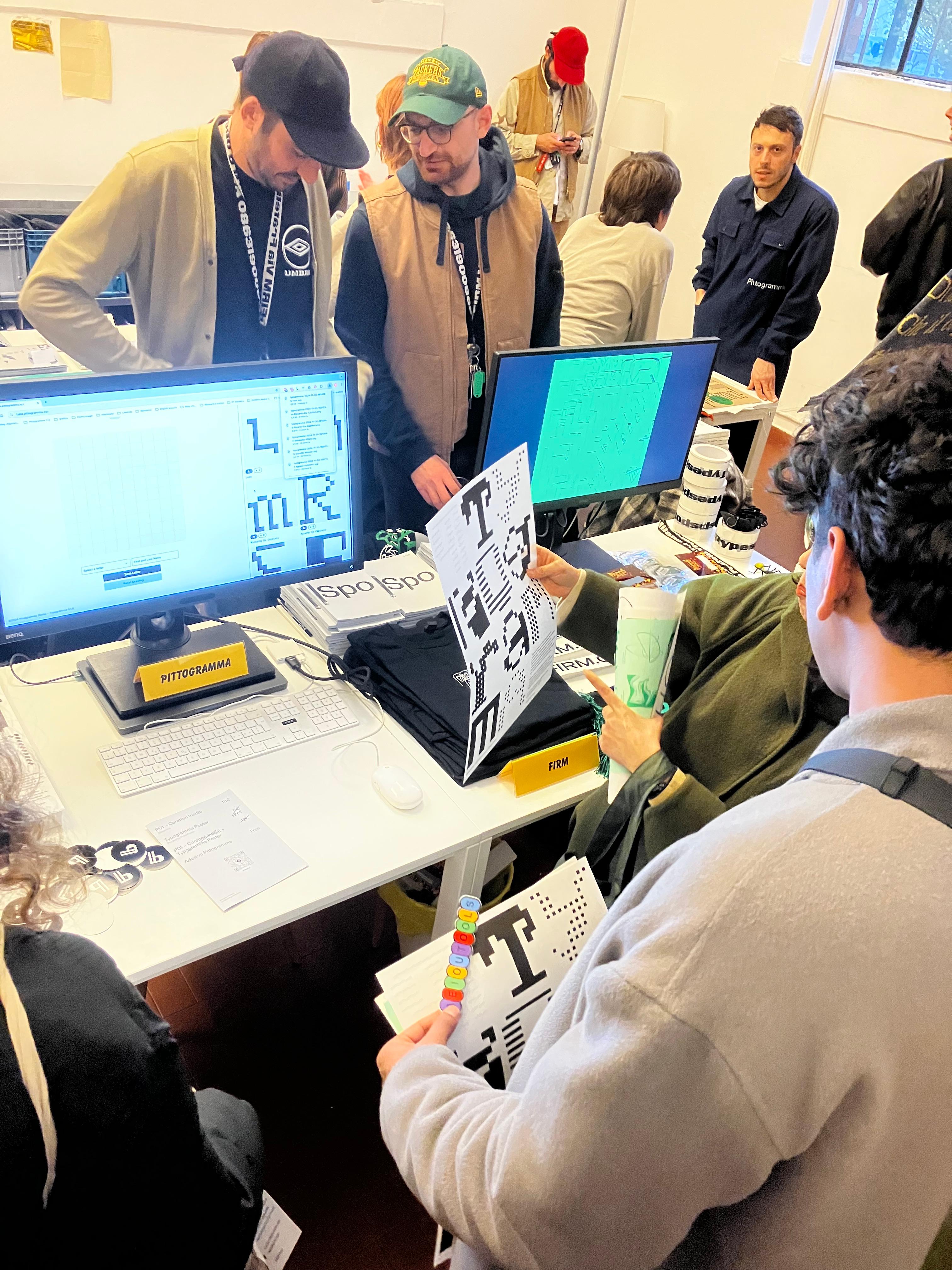
Many leading designers have spoken about this. Articles like How a Self-Initiated Project Can Change Your Career and &Walsh's Creating Self-Initiated Projects illustrate how personal ventures often lead to opportunities in teaching, publishing, entrepreneurship, and broader industry recognition.
In conclusion: Why are independent projects worth it?
- They teach you skills you won’t learn in client work—from time management to logistics to public relations.
- They give you creative freedom. No brief, no limits—just your vision.
- They build confidence. Seeing your own ideas out in the world is powerful.
- They allow safe failure. Mistakes are part of the process, not the end of the road.
- They open doors. New collaborators, teaching opportunities, talks, jobs—these come naturally when you’re visible.
- They define your identity. Not just as a designer, but as a thinker, a doer, a maker.
Yes, independent projects are tiring. They’re messy. They take over your evenings and weekends. But they will shape your career in ways no studio job alone can. They’ll become an extra layer of skill and experience that clients, studios, and collaborators will recognize and respect.
Trust us: it’s absolutely worth it.