Loading journal
Articles
Into the Archives
Valentina Nitti
29 April 2026
Conducting historical research in design means working with fragmentary materials, often scattered across different locations, navigating archives and libraries without knowing what you will find. Rather than following a linear path, it is a matter of progressively building a trajectory — made up of hypotheses, verifications, and unexpected detours.
As a doctoral researcher, my work focuses on the post-war period and the Turin context, with the aim of understanding how the interweaving of publishing culture and typographic tradition contributed to defining a specific professional figure: the typographer-graphic designer. Unlike other Italian contexts, where graphic design often develops out of artistic practices, Turin saw the emergence of a training rooted in printing, presses, movable type, and the typographic industry. A difference that is not merely technical, but cultural — one that is reflected in approaches to design and in how the discipline itself is understood.
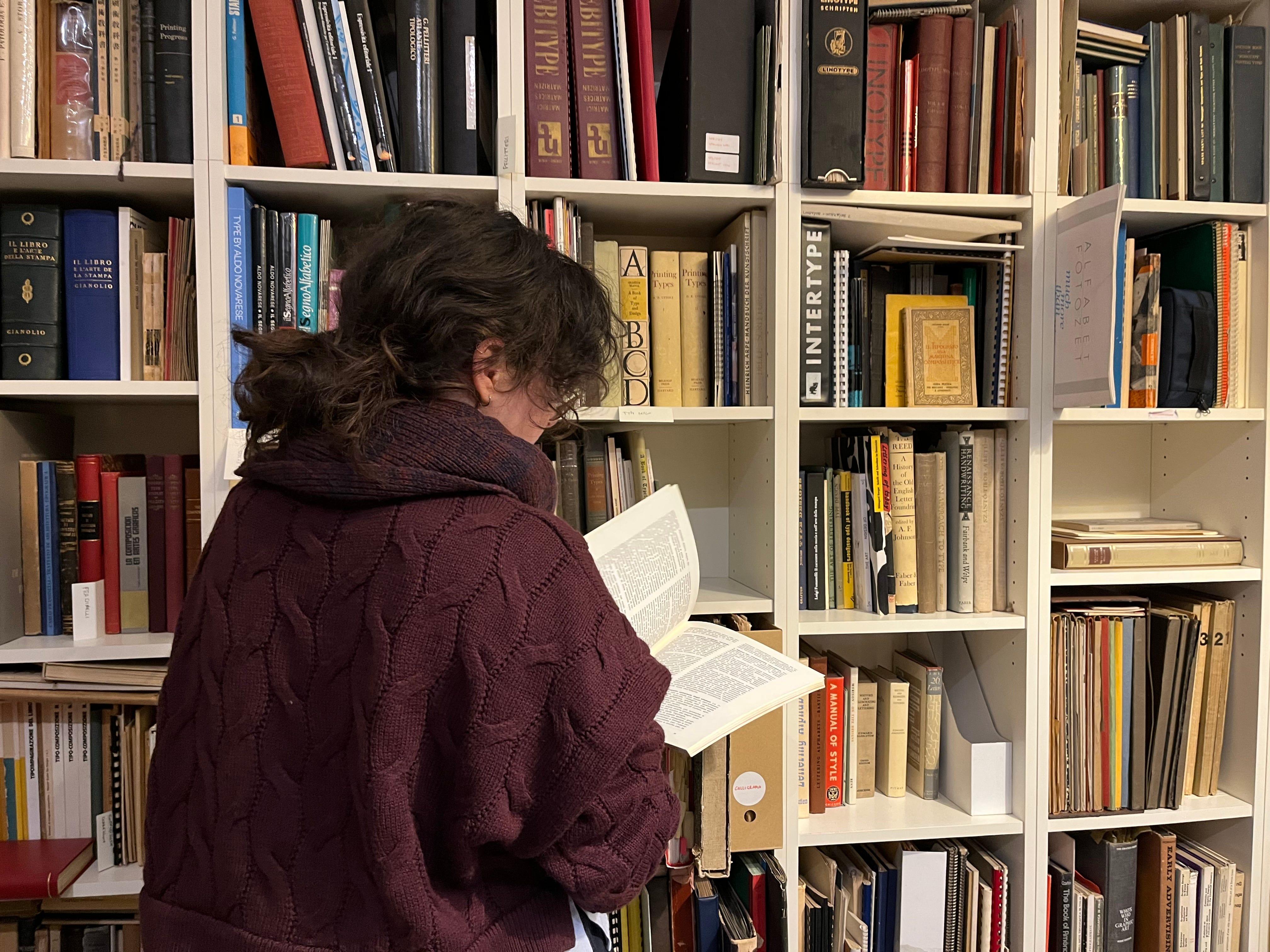
Reconstructing this picture necessarily requires engaging with primary sources: archival documents, editorial materials, correspondence, testimonies. It is in these places that networks of relationships, educational trajectories, and the role of institutions begin to take shape.
Day 1 — The Library and the Unfindable Book
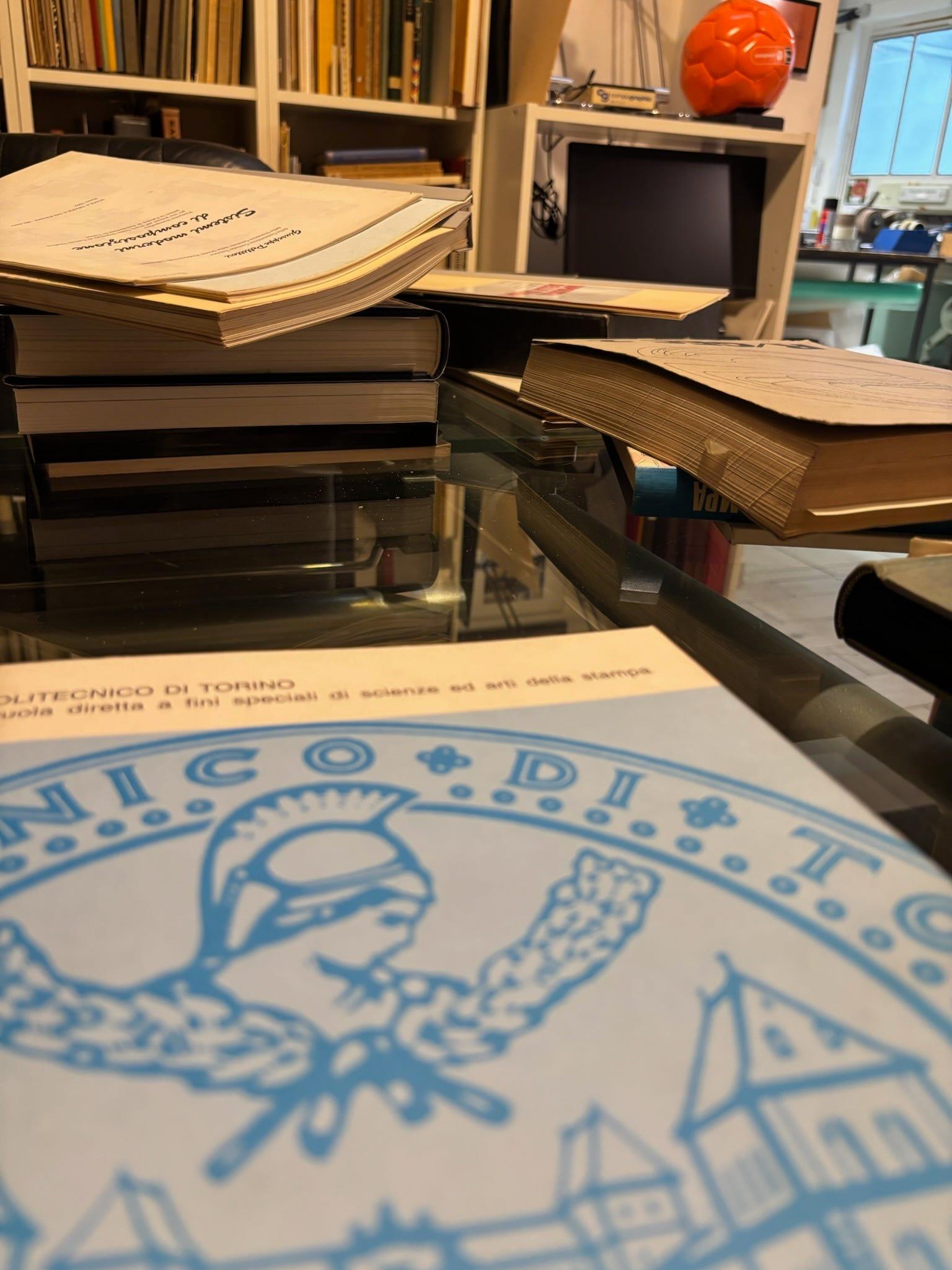
The first stop is the Library of the Politecnico di Torino. The aim is to locate materials on the Corso Superiore di Scienze e Arti Grafiche, launched in 1962 — one of the first higher education experiences in the field of graphic arts in Italy, and still largely unexplored.
The main text appears in the catalogue, but cannot be found on the shelf. The most immediate solution would be to flag the error and move on. Instead, a different approach is taken: a manual search, book by book, along the shelves dedicated to design.
This kind of consultation takes time, but introduces a fundamental element: the possibility of encountering unanticipated materials. The book is eventually found, misshelved, alongside other titles that were initially outside the scope of the search but turned out to be relevant.
This is one of the earliest lessons of archival and library work:
The research plan is a starting point, not a rigid structure.
Day 2 — The Typographic Archive and the Unexpected Fond
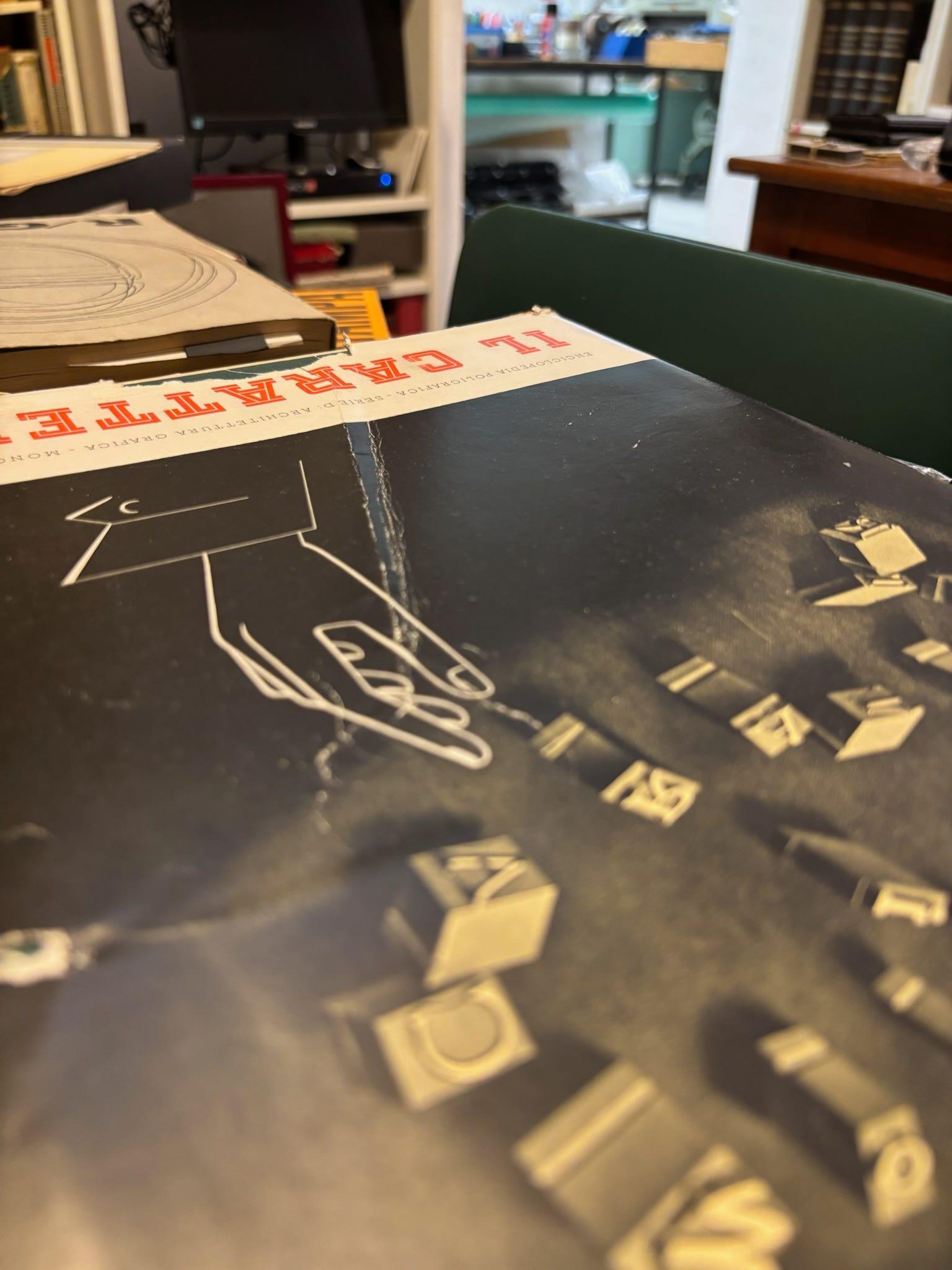
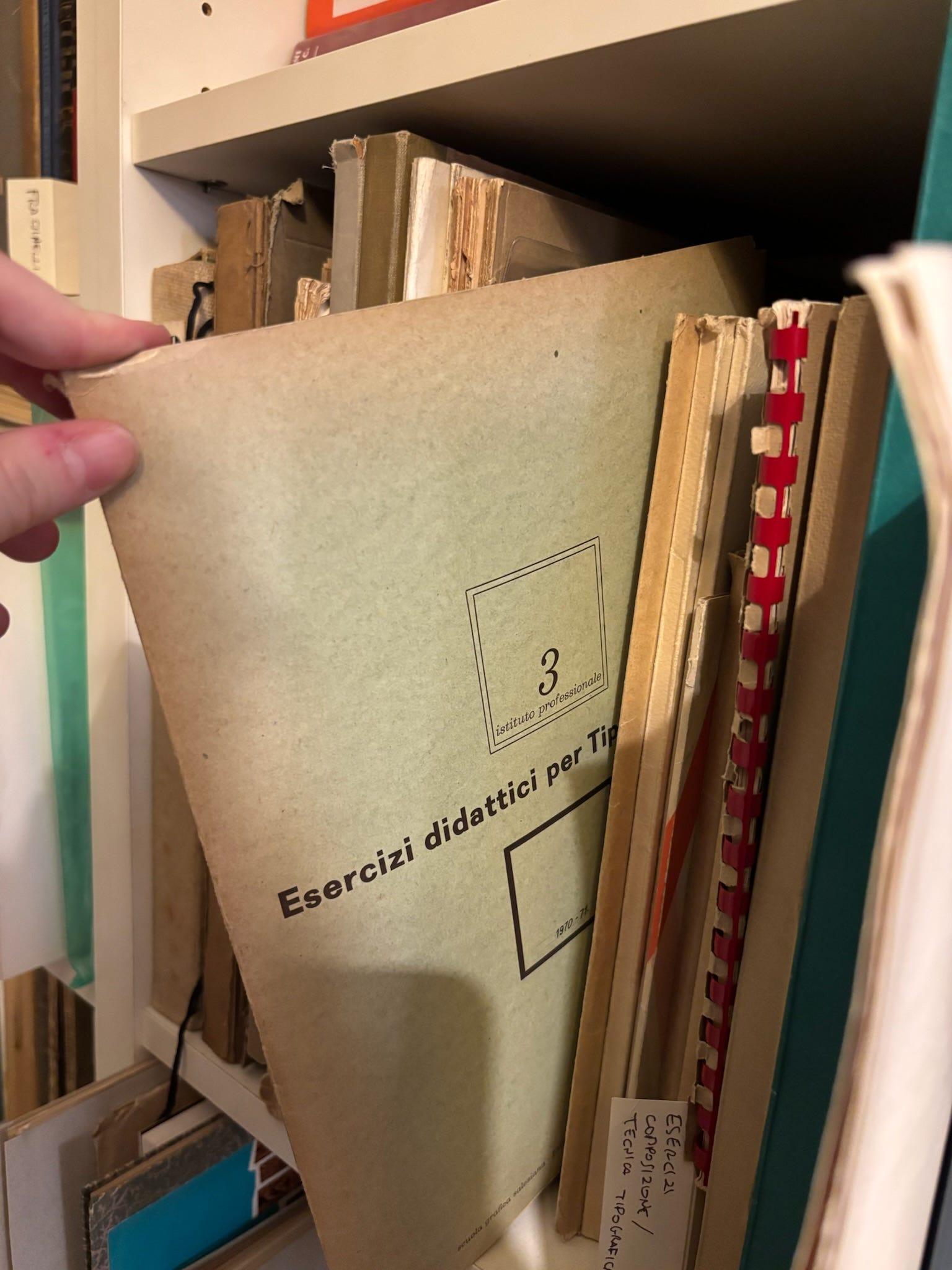
The Archivio Tipografico in Turin holds a material memory of print culture that is difficult to access elsewhere. In the absence of systematic inventories, navigating the materials often happens through conversation with the archive’s staff, who become essential interlocutors in the research process.
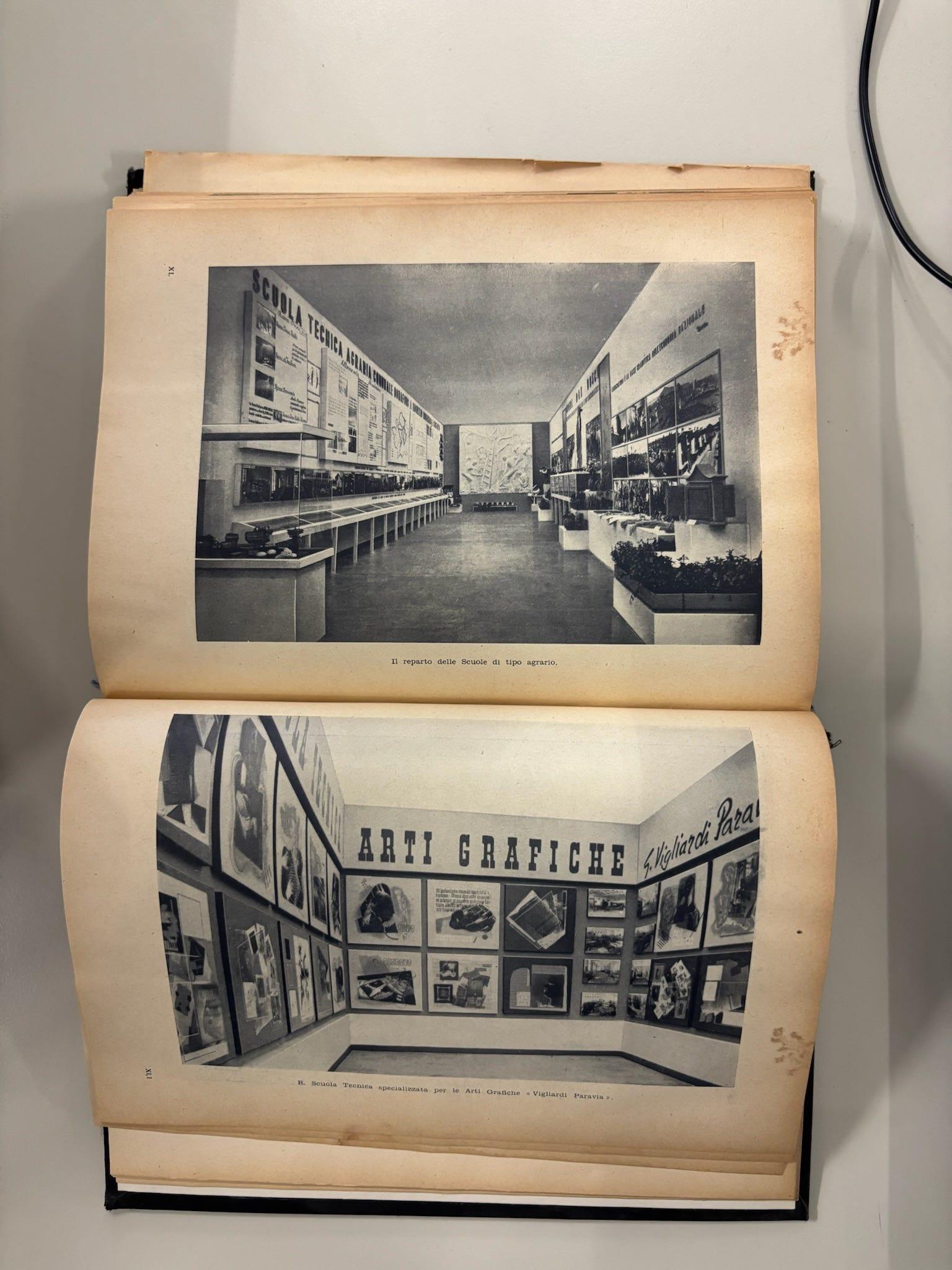
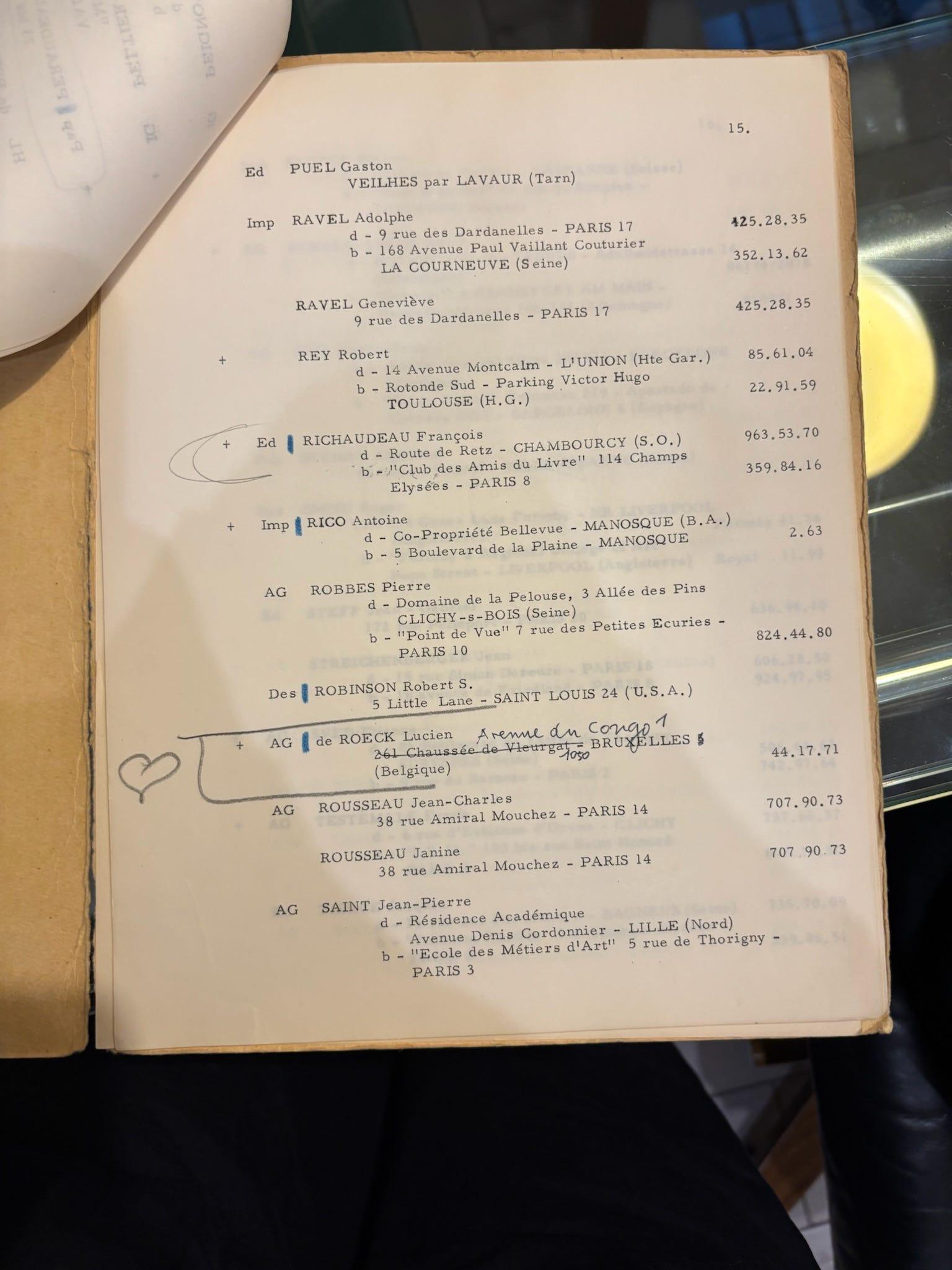
The work unfolds in an intensive phase of acquisition: photographing documents, pamphlets, ephemera. This is a necessary practice, shaped by constraints of time and access. Analysis happens afterwards, away from the archive.
Research thus operates on two levels: rapid collection and slow study.
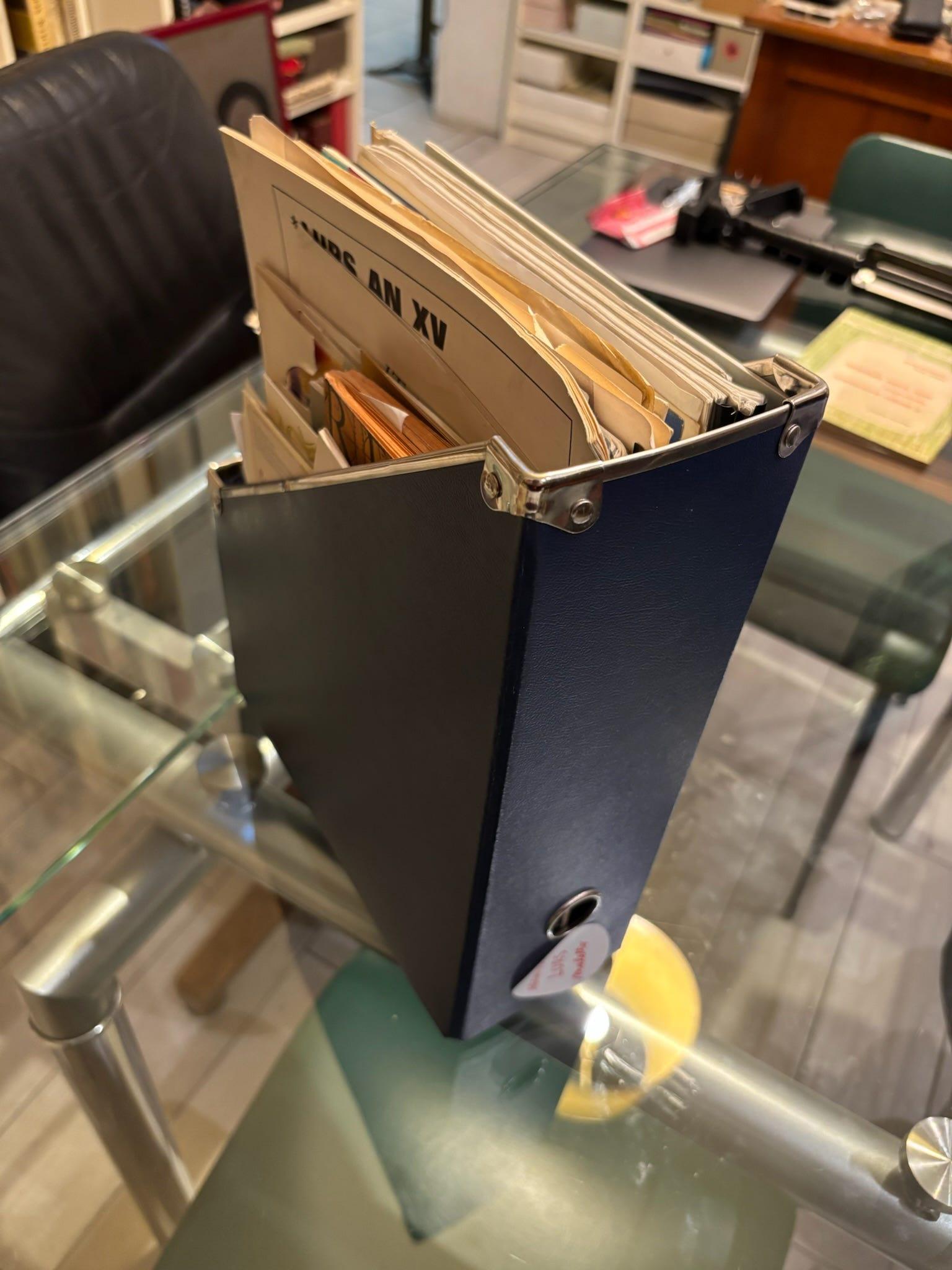
At the end of the day, after consulting teaching manuals, a glance at the shelves leads to an unexpected discovery: a folder labelled “Fondo Luigi Cesare Maletto,” connected to the Rencontres de Lure.
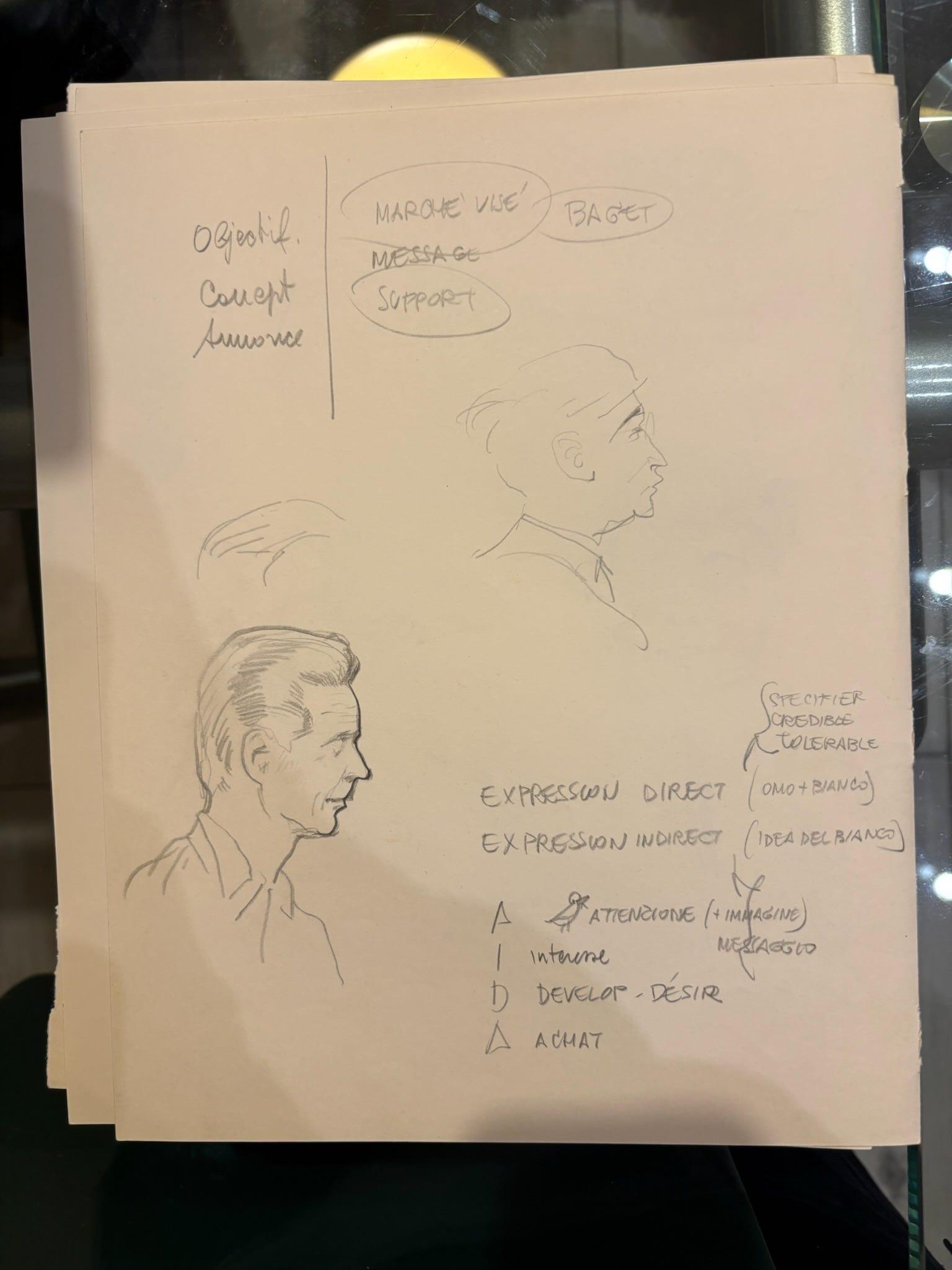
Maletto, a collaborator of Aldo Novarese at Nebiolo, represents an important node in the relationship between Italian and French typography. The fond contains materials useful for reconstructing these connections through correspondence, notes, and sketches.
Some of this material had not surfaced in previous research conducted elsewhere. What is missing in one archive reappears in another, in a fragmented but complementary distribution of sources.
Research also works this way:
you arrive with a precise objective, and redefine the field based on what emerges.
Day 3 — Returning to the Sources
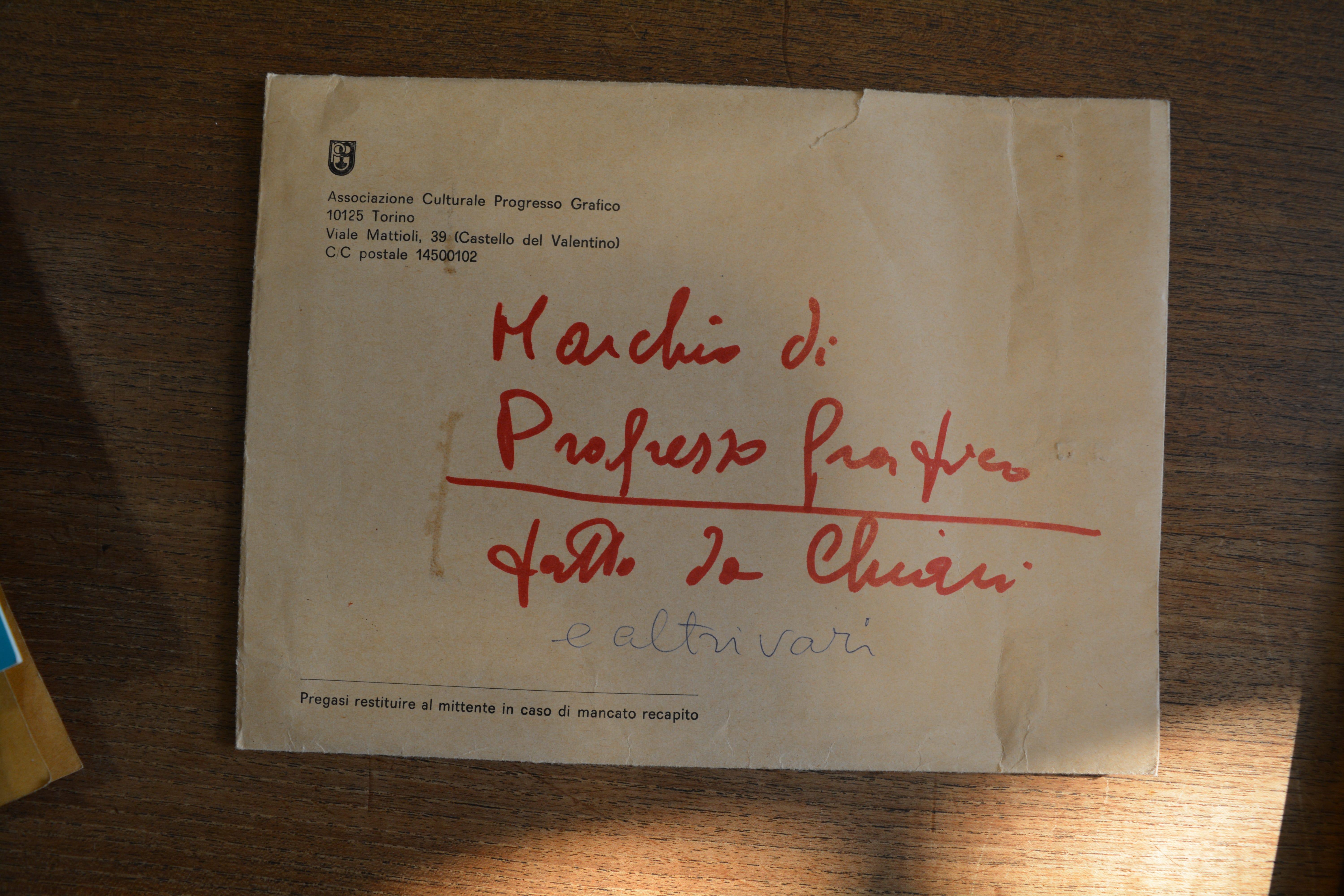
The final day is dedicated to the Archive of Progresso Grafico, previously consulted at an earlier stage of the research. Returning to the same materials is not an incidental step — it is an inevitable one.
In the meantime, the interpretive framework has shifted: new questions, new hypotheses, new connections. The same sources, revisited at a distance, yield different information.
The analysis focuses on Graphicus, the journal of the Associazione Culturale Progresso Grafico: an extensive corpus documenting debates on typography and the identity of Italian graphic design across several decades.
Here too, the work is methodical: systematic acquisition, photographic documentation, and subsequent analysis. Slowness becomes a necessary condition for grasping relationships, recurrences, discontinuities.
Trust the Process
Doing archival research means engaging with fragile materials — often uncatalogued and sometimes marginal to institutional preservation channels. Reconstructing histories requires working in fragments: isolated documents, indirect traces, relationships that must be pieced together.
It is a process of continual adjustment: what you are looking for may not emerge, while what was not anticipated may prove central. Sources are never neutral or complete; they require interpretation, comparison, and verification.
At the same time, it is a profoundly concrete practice: one made up of travel, waiting, and material conditions that are not always ideal. A dimension that is rarely conveyed, yet constitutes an essential part of the work.
In this context, the continuity of research depends not only on results, but on the capacity to sustain the process over time.
Even when the evidence seems scarce, it is precisely persistence that makes the emergence of new interpretive paths possible.