Loading interviews
Interview
A continuous research and evolution of a personal and free style
Stephanie Specht
12 June 2025
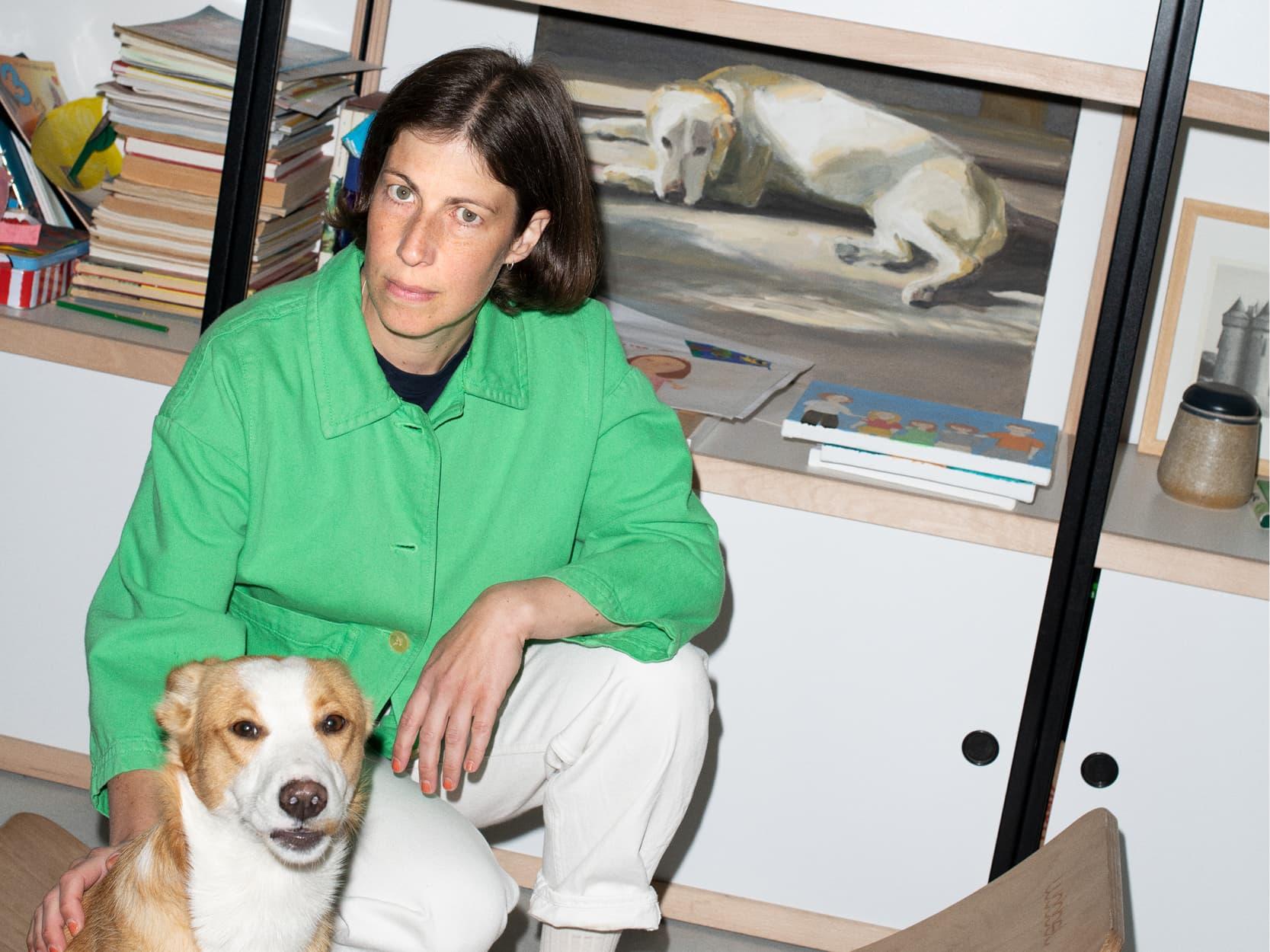
Your style feels very personal and seems to reflect your own persona. Do you see this as an advantage in your projects, or has it ever been a limitation—perhaps turning away potential clients when your aesthetic doesn’t quite fit?
I think it's something I can't change; it has evolved this way in the last years. I think when someone does not understand my style, they can't be a potential client. I have my own visual language, and the best is when this resonates with people and then creates a project.
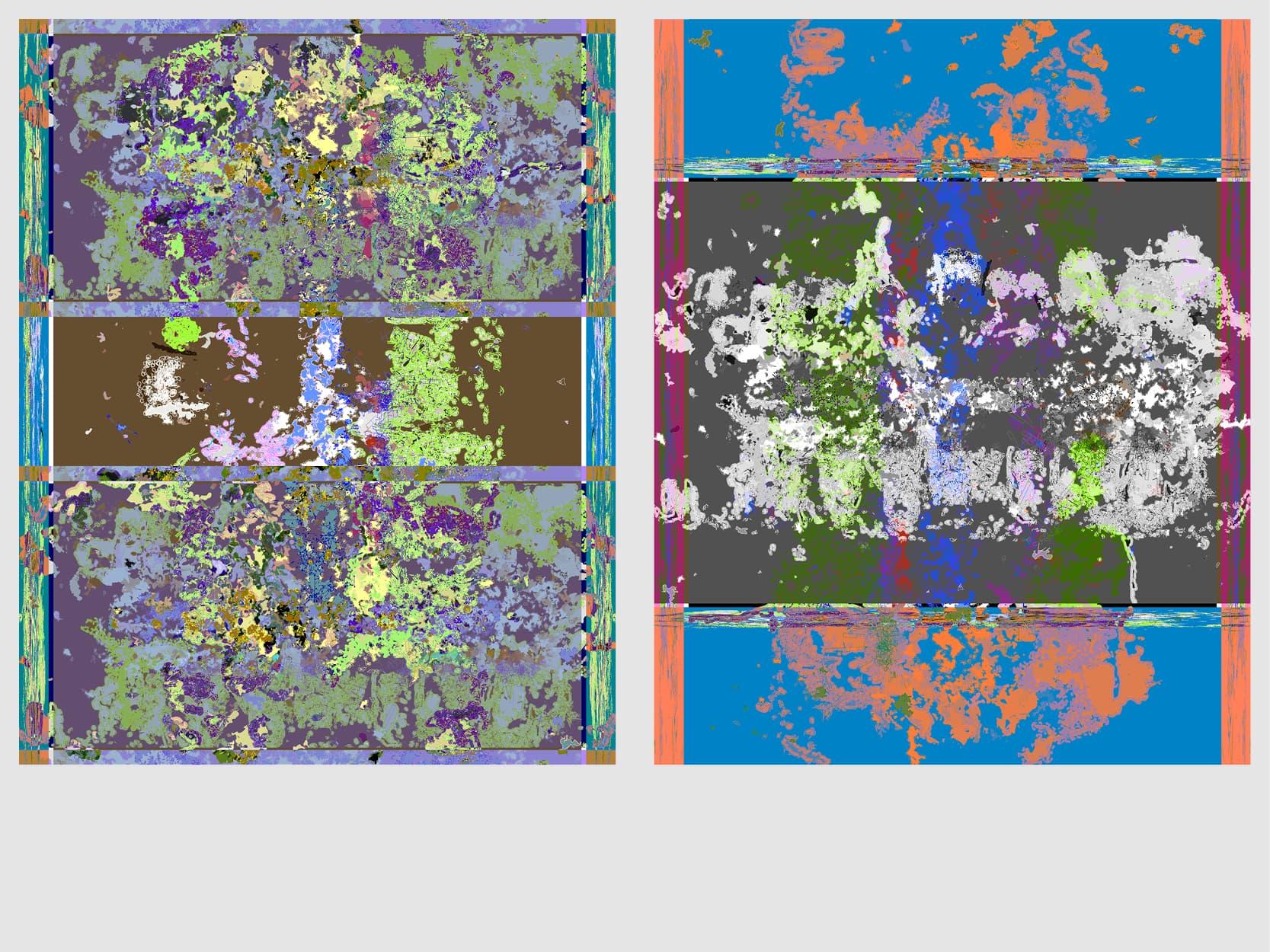
In 2019, you self-published a book that acted as both a career milestone and a form of self-reflection. Even now on your website, you divide your projects into chapters (2015–2019, 2020–2024, 2025–). What has happened since the book? Why do you feel the need to break your work into these timeframes? Is it about tracking evolution, or is there something else behind it?
It's certainly about tracking evolution! I get these moments where I completely want to do different things and want to reinvent myself, so having these elements like a book as a closing chapter or dividing my website helps me do this. I like turning pages, you can say. Since my book, I have been even more in full focus on self-initiated work.
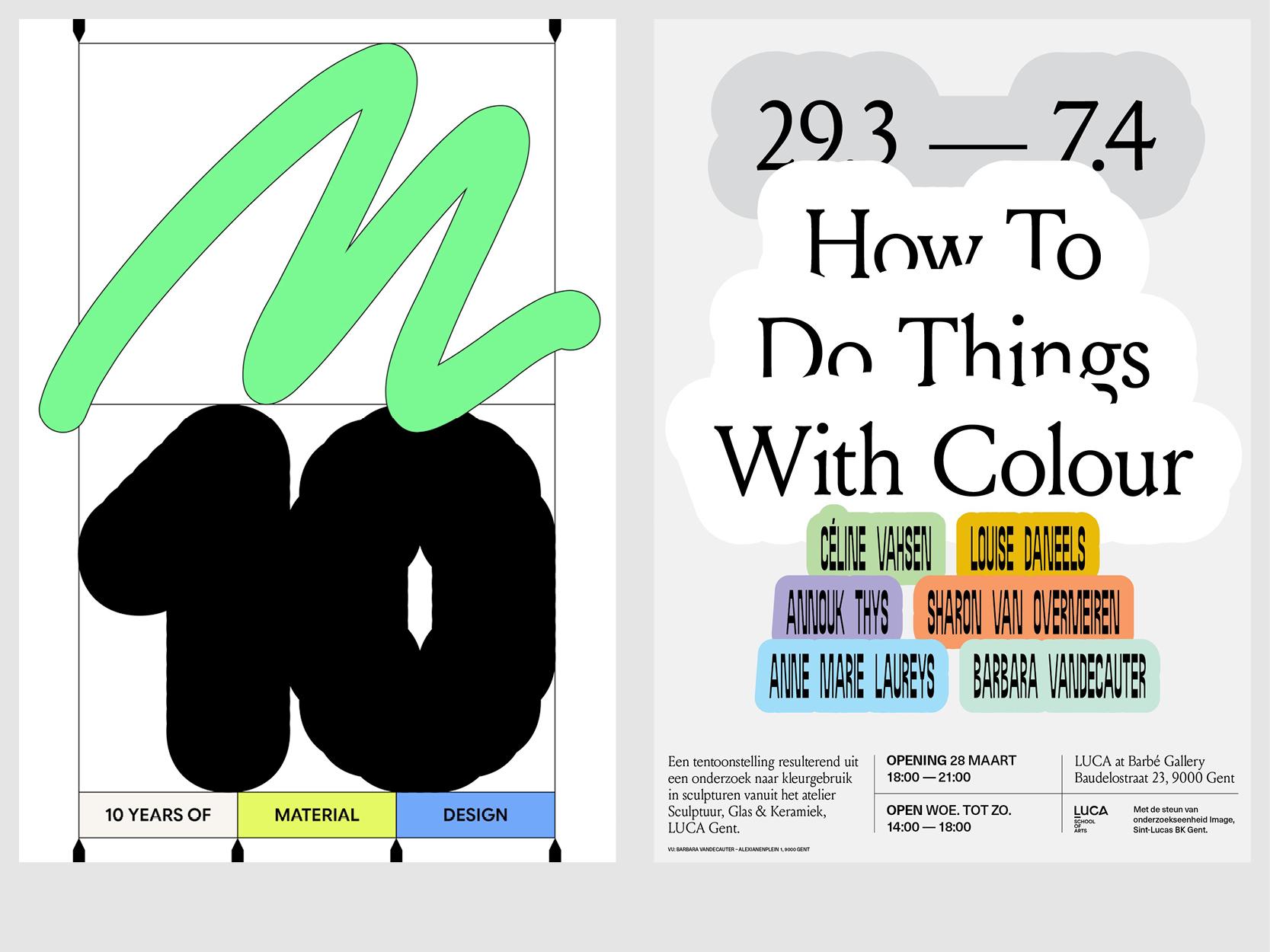
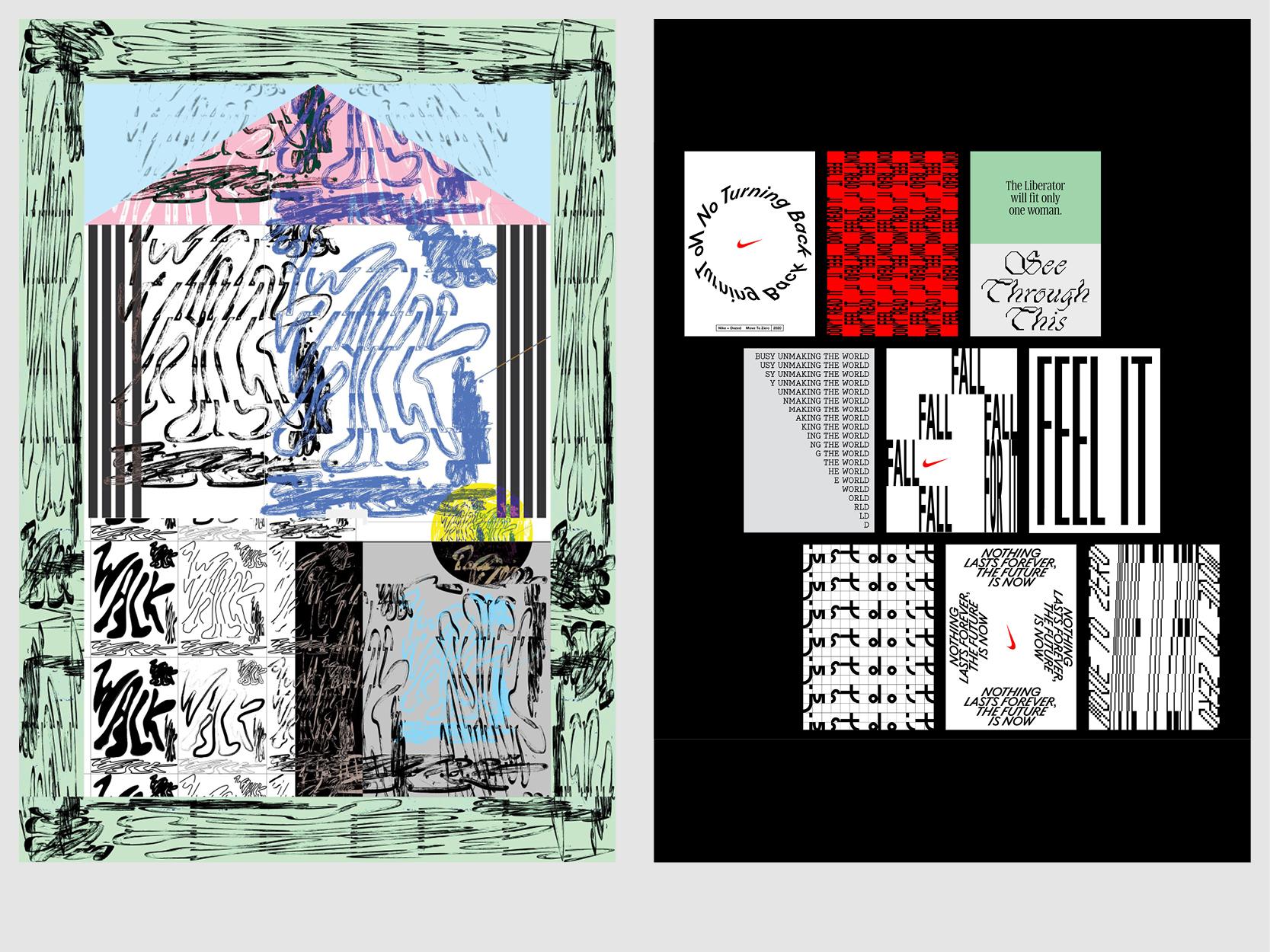
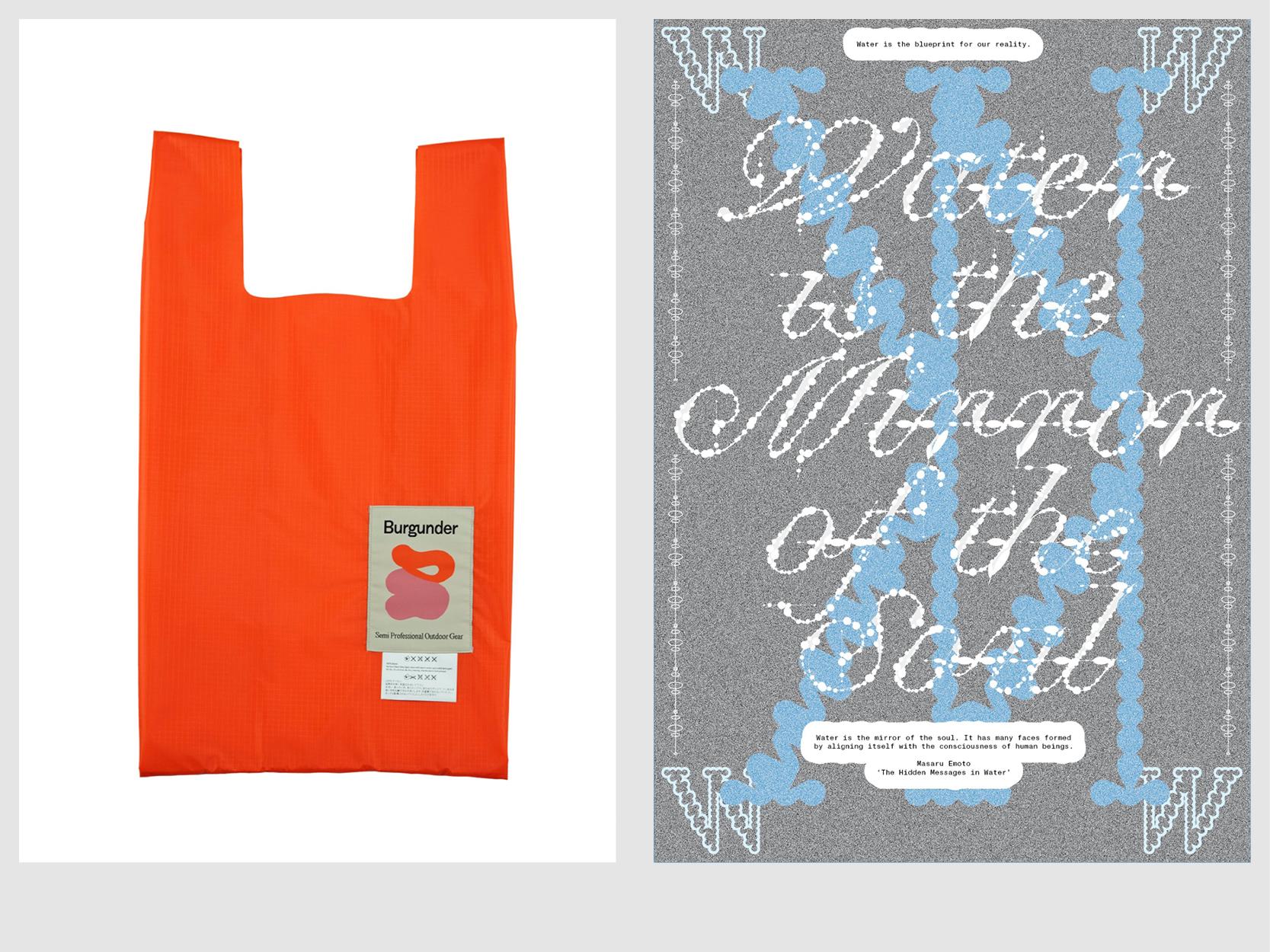
Your typographic style stands out strongly in your work. Is this a deliberate choice, or something that developed more intuitively over time? What draws you to use typography in such a central way?
I love to type words, to write, and to play with letters. It's one of my hobbies, you could say (other hobbies are my dogs and gardening, haha). There's something so powerful about typing a sentence on screen which has a powerful meaning and then weaving it into a design. I have a big love for typography, and then type design in general. There's not one day that goes by where I don't check type foundries or type designers who just graduated, to see what's happening. I see type design as an expression of what's alive in our culture at the moment.
Alongside your design career, you also teach. How do these two roles complement each other? In what ways does your practice influence your students—and how do they, in turn, influence your own work?
In my practice, I strive for total artistic freedom, and this is what I also want for my students — to explore without boundaries. I want them to experiment and also to make mistakes to learn from. All of that is more interesting to me than the final product, really. They inspire me by being free, wild, and also being a blank canvas. The 'professional' design world has not been able to change them or put them in a box. They are literally free in all aspects.
After your early experiences abroad, you decided to return to Antwerp and start your own studio. What made you realize it was the right time to start working independently? Can you walk us through that journey?
I have always been independent. So I was already running my studio during all the moving around. I started working in 2006 as an independent designer, and people in my private life between then and 2013 made me move around so often. The move back to Antwerp came at a moment in life when I needed to slow down again and... reinvent myself too. It was the best place to go back to — my hometown.
How do you see the world of design education right now and specifically in Italy, if you have any experience about that?
I live in Belgium, so I can't speak for Italy. But as far as I know, the design education right now seems to be more about blending all different tools together? At least at Bauhaus, it seems like that. A graphic designer can integrate metal welding, creative coding, or sculpture and still graduate. I think that's fantastic, but at the same time, I feel it might be more complex for these kinds of students to later on find work?
How do you see the role of the young graphic designer in the next years?
I hope they can get even more platforms to communicate about what's going on in the world. We have this extra power to make stuff visible. If I see protests in the street these days and people having these boards with slogans on them, I always think: that's the job of every graphic designer at least once. We can help spread messages!
What advice would you give to a young graphic designer entering the job market today?
Stay true to who you are, never compromise!
Discover More
Structure enables creativity: bringing financial literacy into design
Vanessa Olt
Form as a way of thinking, geometry as a language of meaning
Sara Londoño
Balancing stimuli and a personal minimalist style through continuous exploration of the sign
Shweta Malhotra
Typography as an explorative practice between traditional design and the programming world
Pedro Neves