Loading interviews
Interview
Returning to Italy to explore new models of community, research, cultural and commercial practices
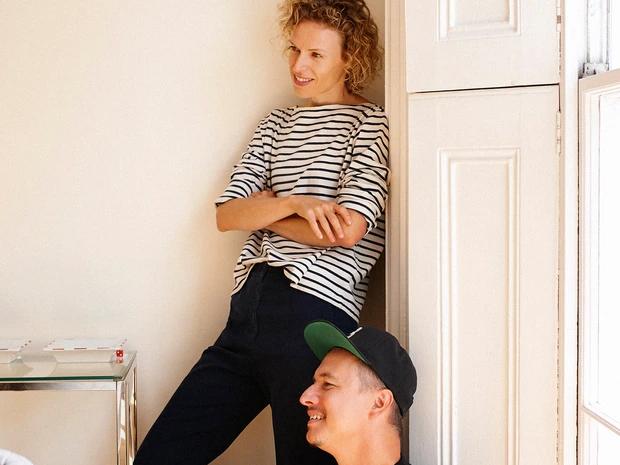
Barbara Busatta, Dario Buzzini
3 May 2024
Both of you have worked abroad, particularly in New York, during years when graphic design in America was gaining significant prominence. What was the motivation that led you to return to Italy?
Working with smaller and cultural communities. Trying to develop a more human and manageable dimension of our work. Investing in ourselves and in the community we have settled in.
Your choice to adopt a 'boutique' design approach, with a street-facing storefront, organizing events and aperitifs, seems to contrast with the traditional approach of studios where seriousness prevails and people work late into the night. What is your goal behind this choice and how do you interpret your workplace?
We want to build relationships and meet interesting people. We want to develop a discourse that spans culture and commerce. We want to make our thinking and approach appreciated even before our skills.
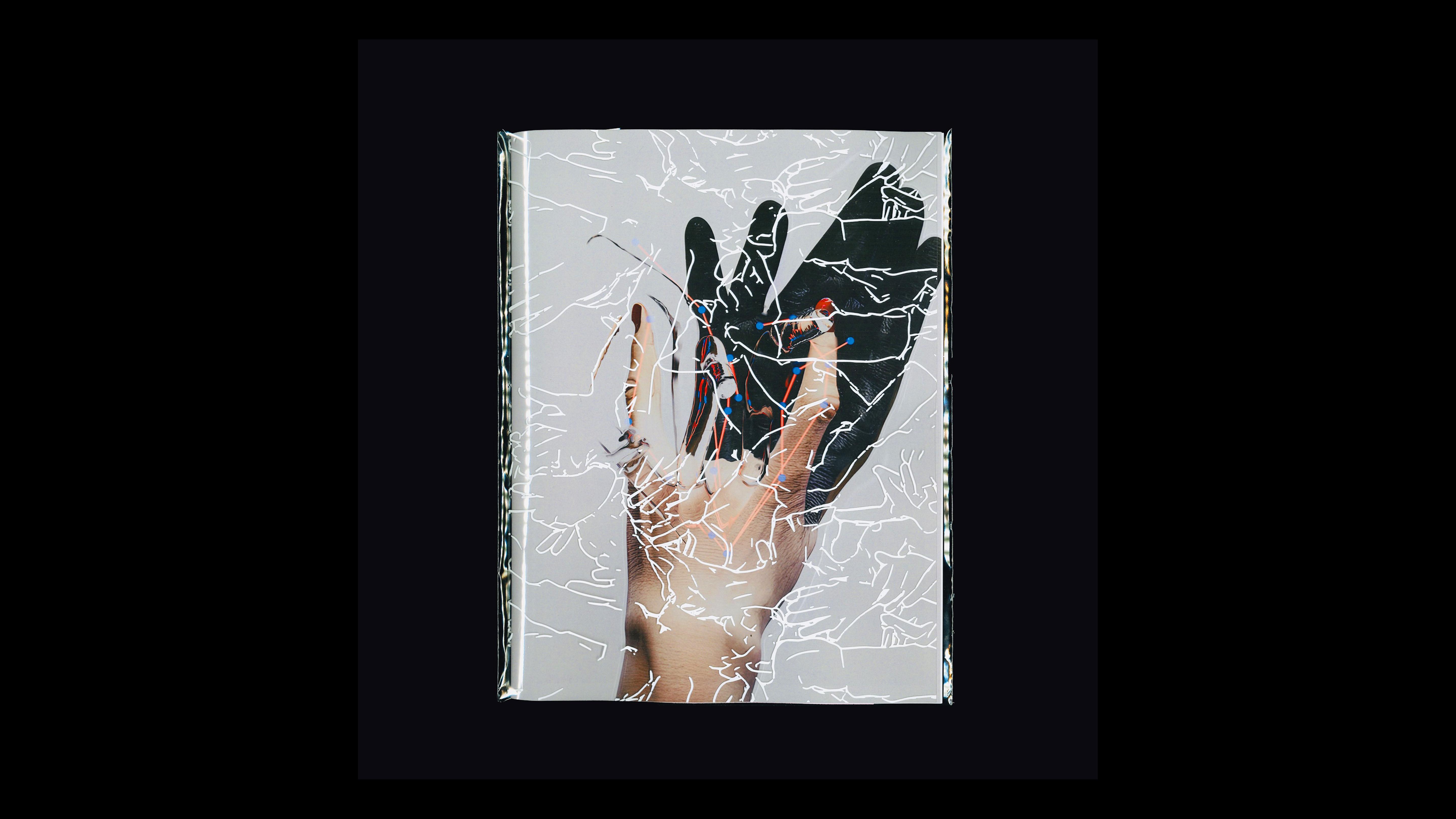
In the last few years, you have pursued an independent publication called "Editions." What was the reason behind this choice, and how has this experience enriched you as designers?
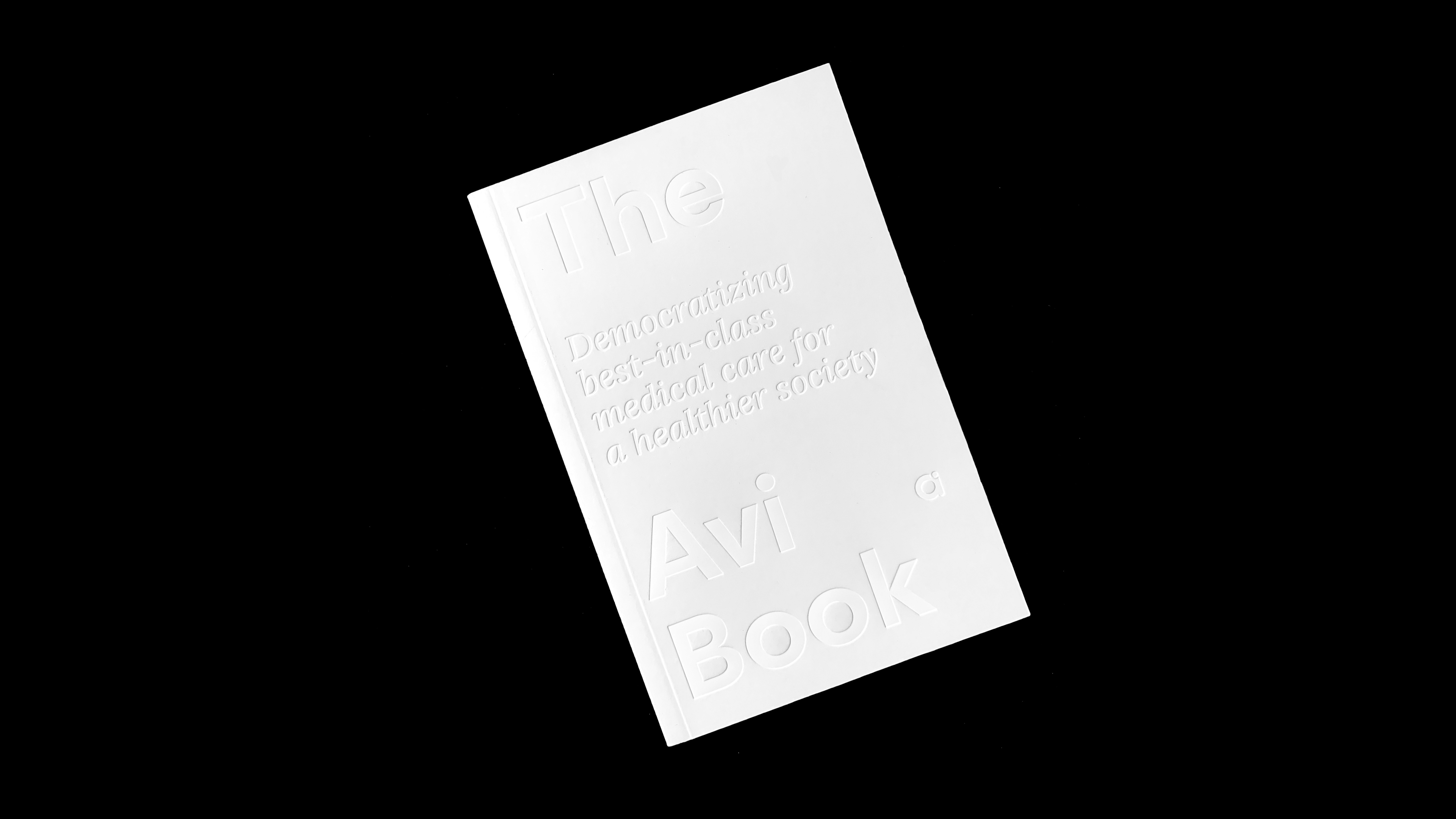
BBDB Editions is a platform, not a publication. Editions encompass all non-commercial initiatives that we self-commission or develop in collaboration with other creatives to explore new visual languages. Three times a year, we work on an Edition. The result of our work is presented to the public during an informal evening at our studio. To date, we have produced 14 Editions. Their value lies in giving us the freedom to work on content and forms completely freely. Occasionally, these experiments become new job opportunities or commercial commissions. We do it because we need it. It's a physiological necessity.
With the increasing expansion of design studios throughout Italy, including in the provinces, and considering the widespread adoption of remote work, how has Bassano del Grappa influenced your work? How do you tackle the challenge of "non-centrality" compared to major metropolitan areas?
With great effort. The city offers more opportunities, while the province provides the time and tranquility necessary to produce consistent and excellent work. We handle a maximum of three projects at a time and maintain close proximity to the client and the content. That's why we consider ourselves a 'boutique'. We often travel, especially to Milan, where we teach at NABA once a week.
You are a small studio (Barbara, Dario, and an intern), is it a deliberate choice or a necessity?
Choice. Perhaps one more person would be the ideal balance, but we're not in a hurry to grow. After years of working in very large teams, small is the size in which we want to operate.
How do you see the world of design education in Italy?
Difficult. If we were to go back to school, we would choose something much more specialized and less general (unlike most schools in Italy).
How do you see the role of young graphic designers in Italy?
Very difficult. Corporate and large-scale projects can be a good training ground and build a strong portfolio. Being independent is very challenging and elitist.
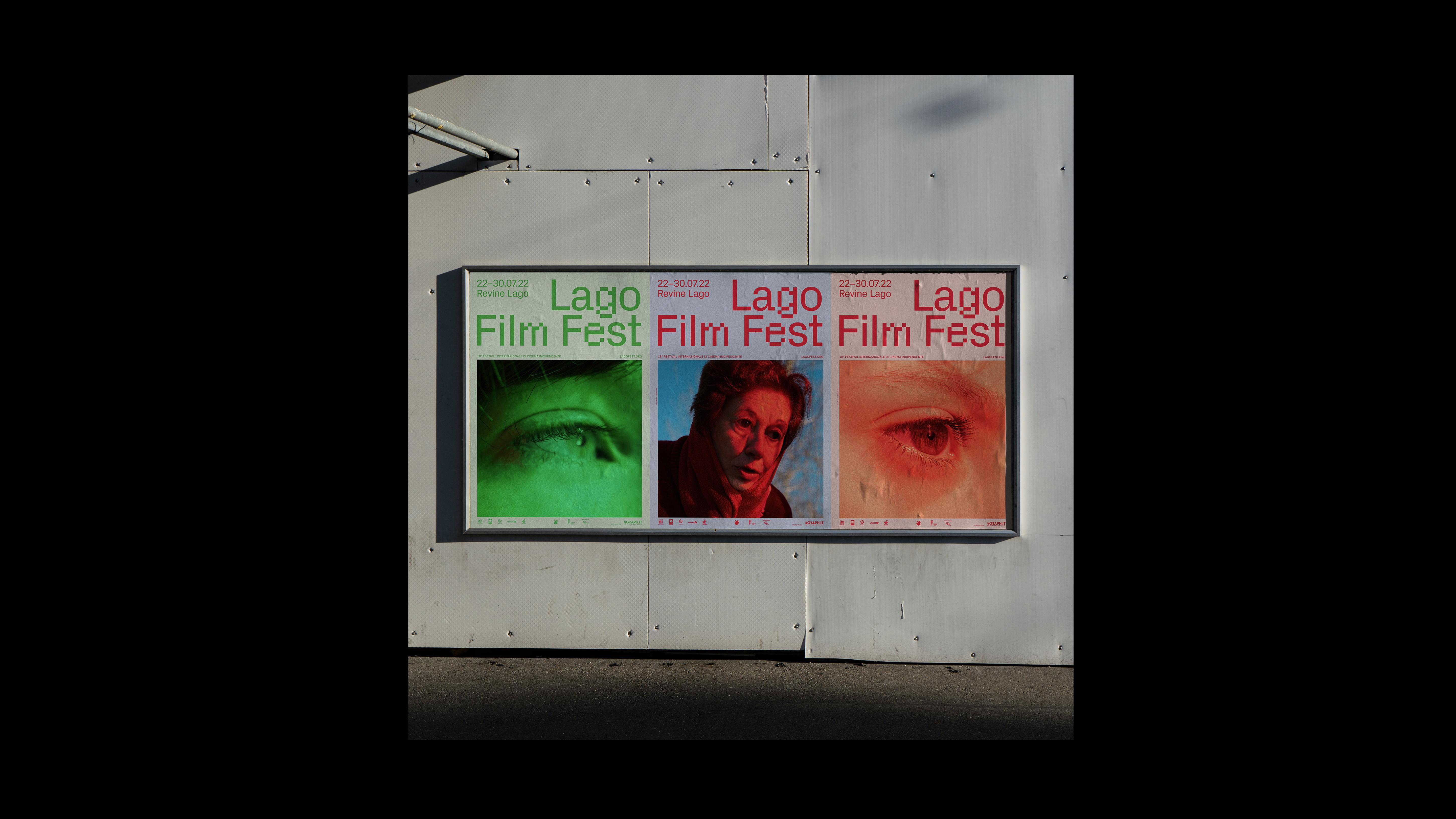
What advice would you give to young graphic designers entering the workforce in Italy today?
You develop your career without jumping too much from one place to another. Spend at least 3 years in one environment, and when you've learned what you don't like, move on to the next. The sooner you understand what you don't want to do, the sooner you'll have the awareness of where to focus all your energy.
Discover More
Structure enables creativity: bringing financial literacy into design
Vanessa Olt
Form as a way of thinking, geometry as a language of meaning
Sara Londoño
Balancing stimuli and a personal minimalist style through continuous exploration of the sign
Shweta Malhotra
Typography as an explorative practice between traditional design and the programming world
Pedro Neves